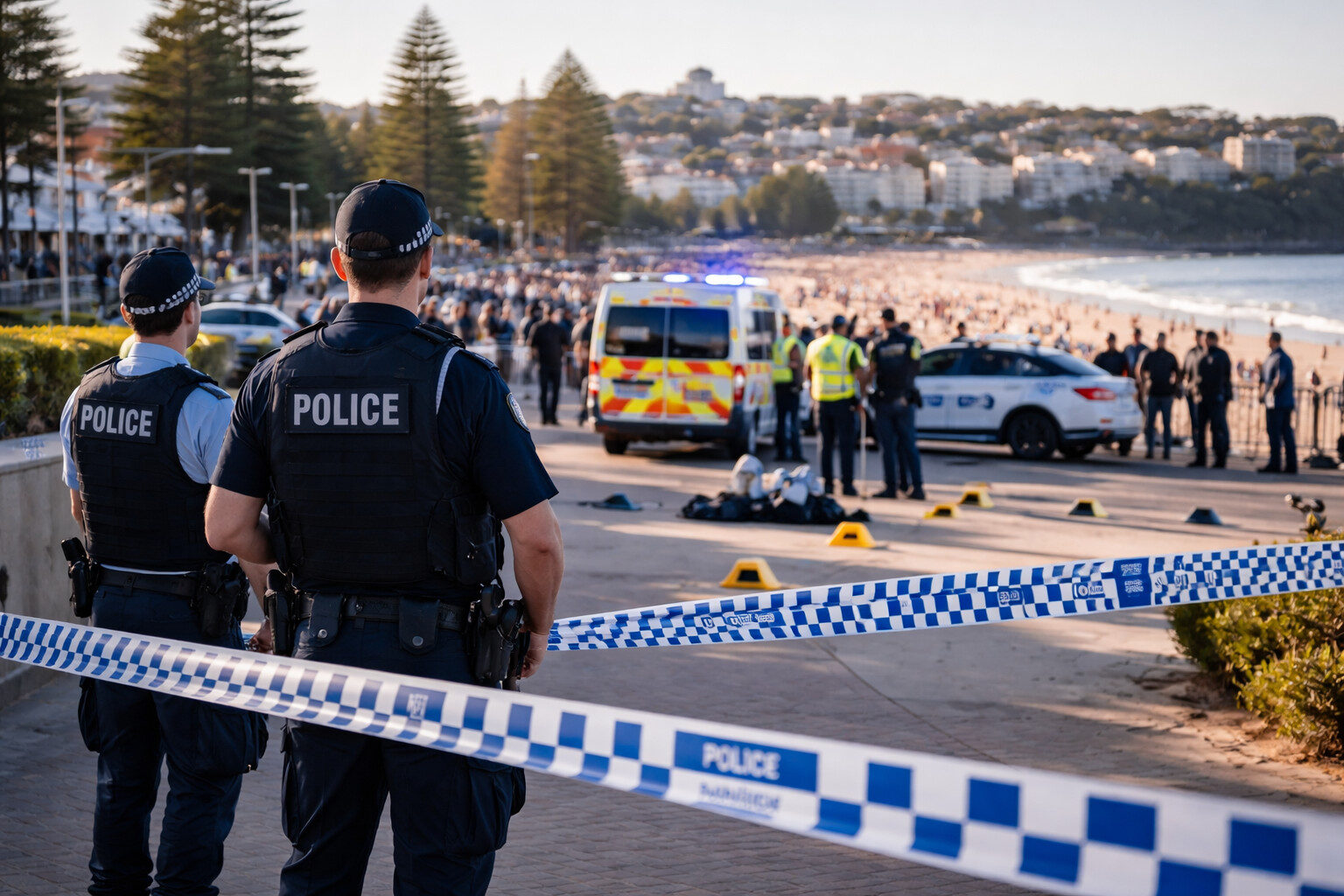
On December 14, 2025, a deadly mass shooting occurred at a Hanukkah celebration at Bondi Beach in Sydney, Australia, where gunmen Sajid Akram (50) and his son, Naveed Akram (24) killed 15 people and wounded dozens more before police engaged them. Sajid was killed on site, and Naveed survived and was subsequently charged with multiple counts including murder and terrorism-related offences. Australian authorities have stated that the pair were motivated by Islamic State–inspired extremism.
Among the critical aspects of ongoing investigations is the pair’s travel history in the month prior to the attack, notably a nearly month-long visit to the Philippines. Authorities from Australia and the Philippines continue to examine what the suspects did during this period and whether any activities there were connected to the attack.
1. Timeline of the Philippines Visit
According to Philippine immigration records and official statements:
- Sajid and Naveed Akram arrived in the Philippines from Sydney on 1 November 2025 and departed on 28 November 2025.
- Both confirmed they stayed in Davao City, located in the southern island of Mindanao, for approximately four weeks.
- The pair lodged at the GV Hotel in downtown Davao. Hotel staff said they extended their stay multiple times and paid in cash.
- Throughout this period, reports indicate the pair spent most of their time inside their hotel room, leaving briefly each day — sometimes only for one to a few hours — and rarely interacting with others.
2. Investigations by Philippine Authorities
Philippine police and security agencies have taken a number of steps to trace the suspects’ activities:
Movement Reconstruction:
- The Philippine National Police (PNP) began “backtracking operations” to establish the shooters’ movements during their stay. This includes reviewing CCTV footage, hotel records, and other travel data to identify all locations they visited and people they might have met.
- Davao regional police said Sajid Akram was captured on CCTV visiting a local gun shop, though initial inquiries suggested he did not visit any known gun ranges.
Tracking Local Contacts:
- Authorities are attempting to identify and track individuals who may have interacted with the pair during their stay. This effort reflects concerns about any possible support networks, though no confirmed connections to local extremist groups have been announced.
Official Position on Training Allegations:
- Philippine officials, including the National Security Council, have rejected claims that the suspects received any form of terrorist or military training while in the Philippines. These assertions were emphasized by National Security Adviser Eduardo Año, who noted no validated evidence of training or contact with extremist groups during the visit.
Location Limitations:
- Security authorities underscored that the suspects remained within Davao City for the entirety of their visit and did not travel outside the city to neighbouring provinces or known conflict zones where extremist groups have a historical presence.
3. Community and Government Responses in the Philippines
The unexpected linkage of Davao City to the Bondi shooting has reverberated locally:
Public Sentiment:
- Many residents in Davao, a city that experienced a major Islamic State bombing in 2016, expressed frustration at suggestions their community might be tied to foreign terrorism. They noted that the Akrams’ presence was unremarkable to local observers and largely consistent with tourist behaviour — long hotel stays, limited social contact, and no visible engagements.
Concerns Over Stigmatization:
- Civil society leaders and residents cautioned against stigmatizing the predominantly Catholic and generally peaceful community of Davao or broader Mindanao. They argued that linking the city to international terrorism — absent clear evidence — could fuel prejudice and misperceptions about the region.
Government Stance:
- Philippine government officials have been outspoken in rejecting characterizations of the Philippines as a terrorist training ground. President Ferdinand Marcos Jr. and other security chiefs reiterated that the nation has taken significant steps over recent years to dismantle extremist networks and maintain internal security.
4. What Is Known vs. What Is Still Unclear
Confirmed Elements:
- The Bondi Beach suspects spent nearly four weeks in Davao City before the Sydney attack.
- Philippine and Australian authorities are co-operating on reconstructing the pair’s activities in the Philippines.
- Investigators have identified some movements — including at least one visit to a gun shop — but have not publicly disclosed any definitive link to training or extremist organisations.
Open Questions:
- Whether the suspects met with any extremist networks or individuals during their stay remains under investigation. Authorities are actively reviewing people they encountered, but no confirmed contacts have been announced.
- The purpose of the extended stay and the extent to which it may have factored into their planning continues to be scrutinized by security services on both sides.
5. Broader Context: Extremism in Mindanao
Mindanao has historically been home to a number of Islamist militant groups, including factions once aligned with Islamic State affiliates. However:
- The strength and territorial control of such factions have declined significantly since large-scale conflicts such as the 2017 Marawi siege.
- Current Philippine and Australian assessments focus on whether the Akrams’ stay was coincidental, opportunistic, or part of a longer-term pattern of radicalization rather than rooted in formal group training.
Conclusion
The Philippines link in the Bondi Beach shooting case underscores the complexity of modern terrorist investigations, especially where international travel intersects with diasporic communities and global extremist narratives.
While the suspects’ extended stay in Davao City merits thorough investigation, officials have not confirmed any direct ties to local militant groups or training in the Philippines. Analysts stress that connecting individual attacks to regional dynamics requires robust evidence — and that premature conclusions can have unintended social repercussions in communities like Davao.