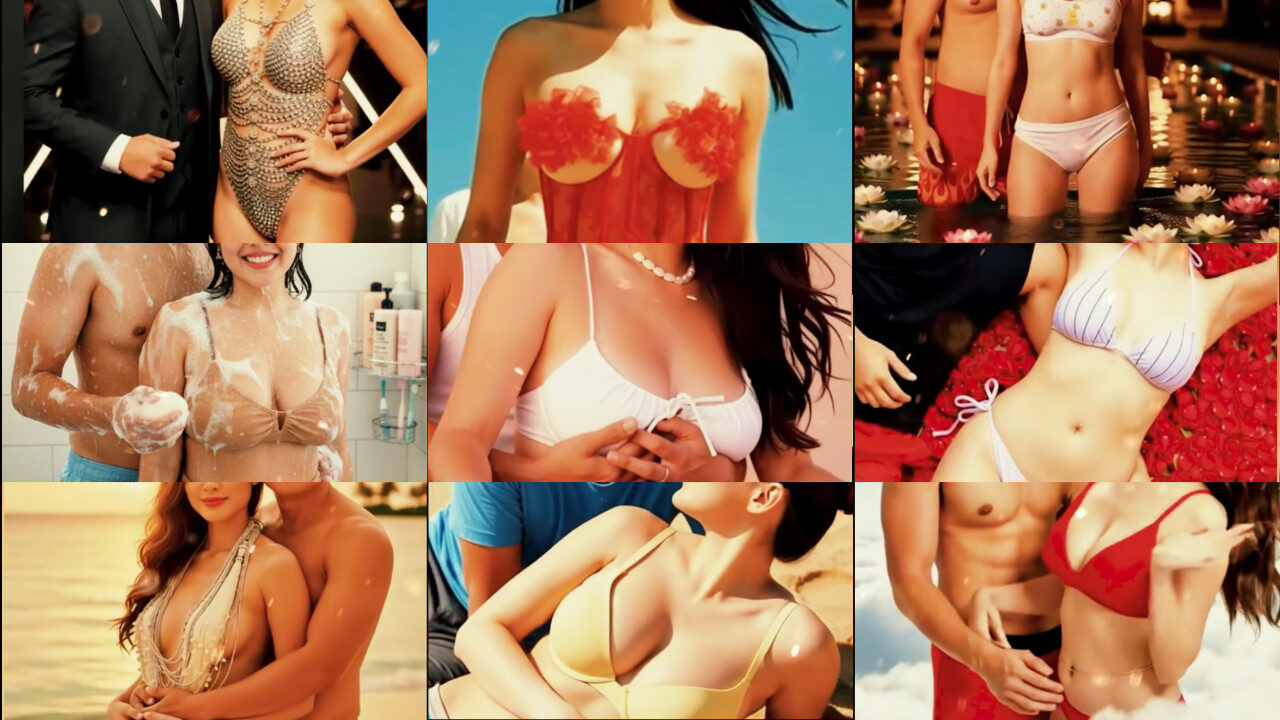
AI-generated videos featuring well-known Filipino celebrities have gone viral on social media, igniting public backlash and renewed debate over the misuse of artificial intelligence in online content.
The controversial videos were created and posted on Facebook by a content creator operating under the name Andy’s AI Creations. In the now-viral posts, Andy appears alongside AI-generated photos and videos depicting some of the country’s most recognizable personalities, including Marian Rivera, Kim Rodriguez, Azi Acosta, Heaven Peralejo, Maui Taylor, Pia Wurtzbach, Ivana Alawi, and Donnalyn Bartolome.
The content that drew the strongest reaction, however, was an AI-generated shower video using the likeness of Andrea Brillantes, which quickly spread across social media platforms.
Following the posts, criticism poured into the comment sections. Many netizens described the content as “disgusting” and “disturbing,” arguing that even if the videos were artificially generated, they were clearly sexualized and exploited the celebrities’ faces without consent.
Several users pointed out that AI-generated material does not eliminate accountability. According to critics, the videos still promote the objectification of women and normalize the use of someone’s identity for sexualized content, regardless of whether the body shown is real. Others expressed concern that such content could be repurposed or manipulated further, potentially leading to more harmful forms of digital abuse.
The incident has reignited broader discussions about AI misuse, deepfake technology, and digital ethics in the Philippines. As AI tools become more accessible, many are questioning whether existing laws and platform policies are sufficient to protect individuals—especially public figures—from identity-based exploitation.
A central question now circulating online is whether AI-generated content that uses a real person’s face can be considered digital harassment, even when the imagery itself is fabricated. For many netizens, the answer is clear: consent remains essential, and the absence of a real body does not excuse the violation of personal dignity.
As of this writing, none of the celebrities involved have released official statements regarding the issue. Meanwhile, calls are growing for clearer regulations, stronger enforcement, and greater accountability in the use of AI-generated media.
In an era where technology is advancing faster than policy, the controversy surrounding Andy’s AI Creations serves as a stark reminder that innovation without ethical boundaries can carry serious consequences.
At the time of writing, Andy’s AI Creations Facebook page has been removed. At its peak, it had 6.3k likes, and 22,647 people were talking about it.