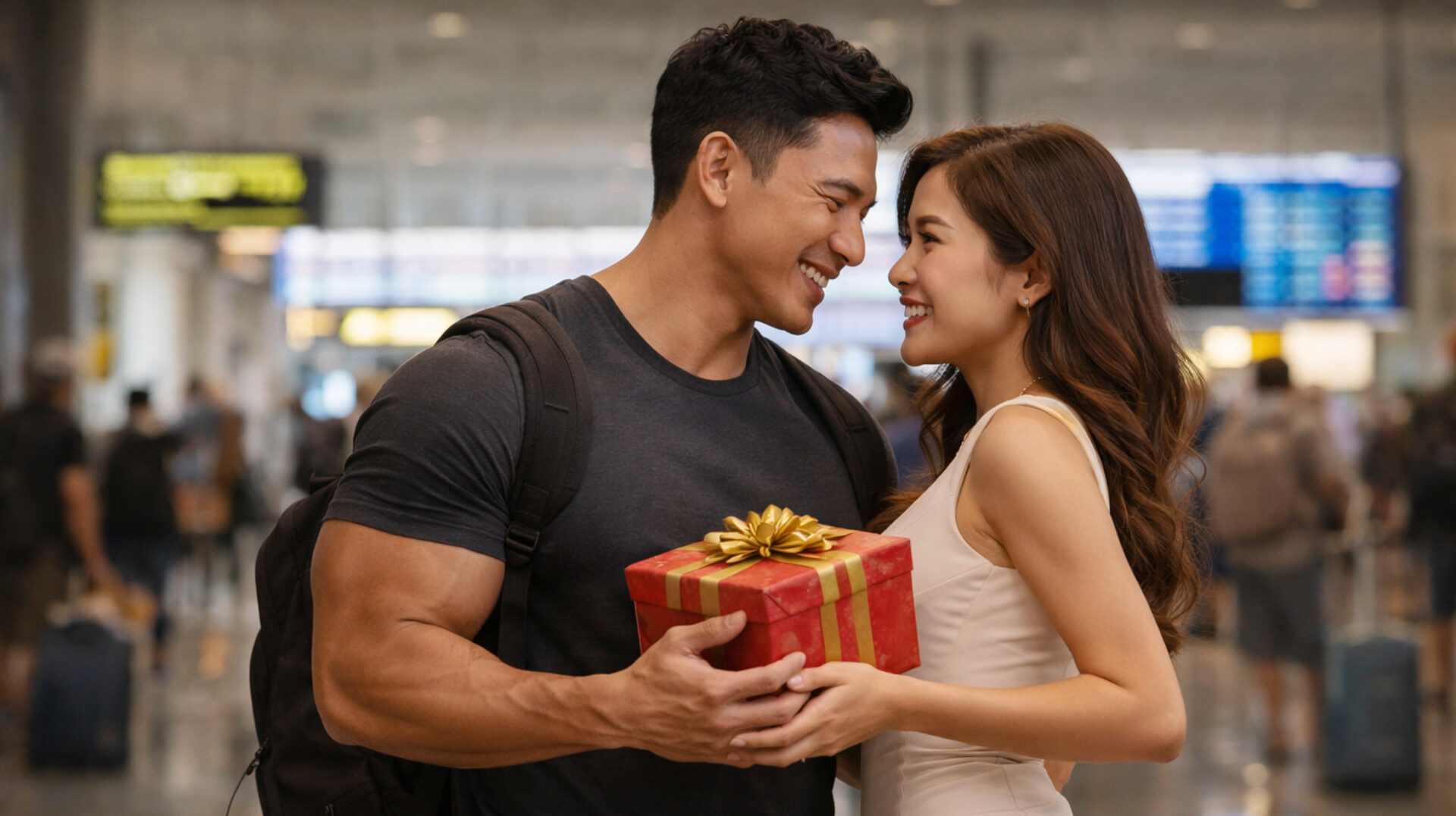
In the Philippines, returning home is often marked by pasalubong, the long-standing practice of bringing home goods for family, friends, and loved ones after travel. While commonly framed today as souvenir-giving, pasalubong is better understood as a cultural expression of remembrance—an acknowledgment that those left behind were present in thought throughout the journey.
Pasalubong completes the act of travel not through transaction, but through connection. It transforms movement into a shared experience, allowing the traveler’s absence and return to be meaningfully integrated into relationships.
Historical Foundations
The practice of pasalubong predates colonial rule and modern transportation. Comprising more than 7,000 islands, the Philippine archipelago historically made travel infrequent, demanding, and uncertain. Sea crossings were long and perilous, and journeys often involved extended separation from one’s community.
When travelers returned, they brought with them items from other places—food, spices, woven goods, tools, or preserved delicacies. These objects were not prized for novelty, but for what they represented: safe passage, contact with distant communities, and continuity of relationships despite physical separation.
Meaning Beyond Material Value
Pasalubong is defined less by the object itself than by the intention behind it. Its significance does not rest on cost or exclusivity, but on thoughtfulness. Items are chosen with specific people in mind, reflecting familiarity, affection, and care.
Distribution is typically communal. Pasalubong is shared, tasted, and discussed, often accompanied by informal accounts of where the item came from and how it was acquired. Through this exchange, the journey becomes collectively experienced rather than privately held.
Contemporary Expressions and Migration
As patterns of mobility expanded, pasalubong adapted accordingly. Domestic travel, international migration, and overseas employment reshaped its form without altering its purpose. For Overseas Filipino Workers (OFWs), pasalubong plays a particularly resonant role. Extended absences heighten the symbolic weight of return, and gifts become tangible expressions of sustained connection.
The balikbayan box illustrates this modern iteration. Filled over time with everyday household goods, clothing, and food items, it reflects accumulation rather than extravagance. Each object signifies remembrance and care, reinforcing emotional ties across distance.
Cultural Continuity
Pasalubong endures because it is informal and adaptable. It requires no ceremony, yet remains widely practiced across regions and social groups. Its persistence reflects a broader cultural orientation toward relational identity, in which personal experiences are understood as interconnected with family and community.
Within this framework, travel is not an isolated individual act. It is undertaken with an awareness of those who remain at home, and pasalubong serves as a means of keeping those relationships present.
Conclusion
Pasalubong offers insight into how Filipinos understand homecoming—not simply as a physical return, but as a reaffirmation of connection. The objects themselves may be consumed or forgotten, but the gesture endures.
As a cultural practice, pasalubong demonstrates how material exchange can express memory, affection, and belonging, ensuring that distance does not diminish relational ties.